
Chiang Mai at a Glance
Chiang Mai sits at 300 metres above sea level, ringed by mountains and national parks. It is the largest city in northern Thailand, home to over 300 Buddhist temples, a world-class digital nomad infrastructure and a cost of living that puts comparable cities in Europe or South-East Asia to shame. The pace is slower than Bangkok. The air, outside of burning season, is fresher. The community is tighter. And the quality of daily life, for the right kind of expat, is difficult to match anywhere in Asia.
Chiang Mai's Best Neighbourhoods for Expats
Chiang Mai is a compact and walkable city compared to Bangkok. The neighbourhoods are distinct but close to each other. Here is where expats actually live and why.
Nimman (Nimmanhaemin)
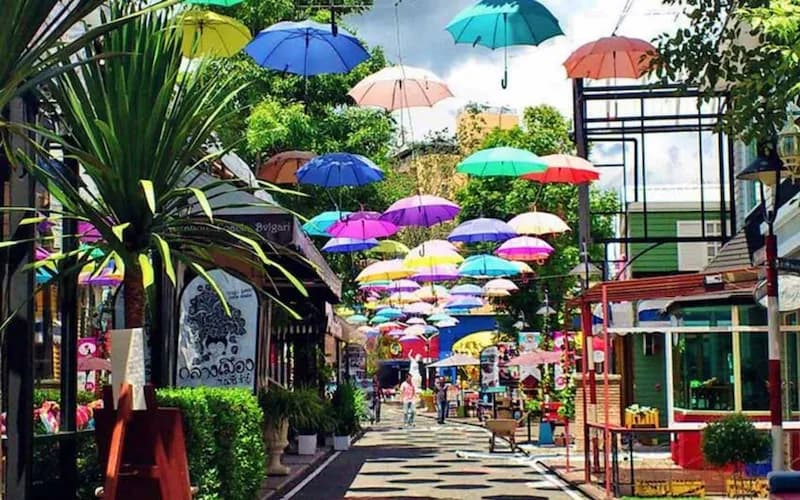
The neighbourhood beloved by digital nomads, with cafes, coworking spaces and a lively restaurant scene. The most developed hub for remote workers, with fast wifi everywhere and a community that makes meeting other nomads effortless. A social scene centred around Nimman Road with excellent restaurants at every price point. The most expensive neighbourhood in Chiang Mai but cheaper than Bangkok.
€290 to €500 / month for 1-bed
Best for · Digital nomads, remote workers, first-time Chiang Mai arrivals
Watch out · Feels repetitive after a while, same cafes, same crowd.

Old City
The historic heart of Chiang Mai, enclosed within a square moat and ancient city walls. Home to over 30 temples, the Saturday and Sunday walking streets, and some of the most charming streets in the city. A more traditional atmosphere with temples, markets and walkable streets. Attracts expats who want to be immersed in Thai culture rather than the expat bubble. Work-friendly cafes are plentiful and the atmosphere for creative work is unmatched.
€170 to €400 / month for 1-bed
Best for · Culture lovers, those who want a local Thai experience, writers and creatives
Watch out · Limited modern amenities. Some streets are noisy with tourist activity.
Santitham
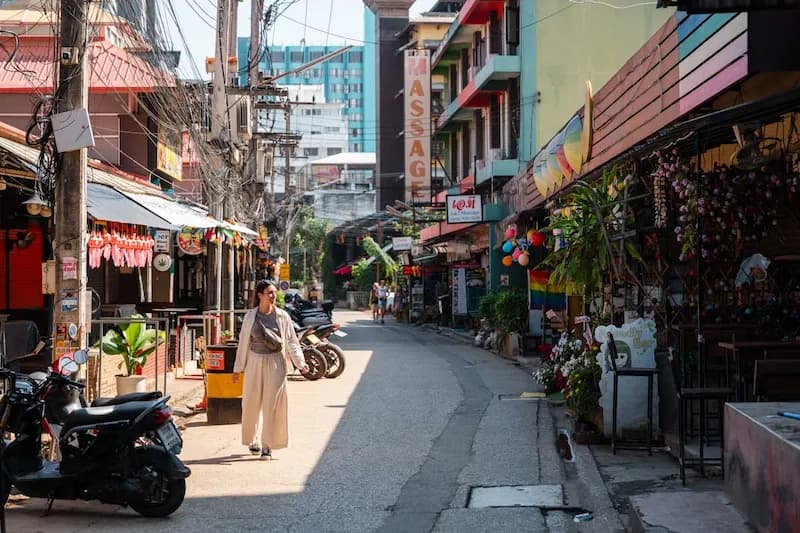
Adjacent to Nimmanhaemin and just northwest of the Old City, Santitham is popular among digital nomads for its affordability and authentic Thai character. It gives you proximity to Nimman without Nimman prices. The streets are lined with local food stalls, independent cafes and the kind of neighbourhood life that disappears in more touristy areas. Santitham is changing fast in 2026, and prices are going up.
€165 to €370 / month for 1-bed
Best for · Budget-conscious nomads, longer-stay expats, those who want local life within reach of Nimman
Watch out · Still evolving. Some streets lack the polish of Nimman. Fewer English-speaking services.

Hang Dong and Mae Hia
Located 15 to 20 minutes south of the city centre, these areas offer gated communities, larger houses, gardens and proximity to Chiang Mai's international schools. Mae Hia in 2026 is a considered first choice for families who tried Nimman, loved the city, and now need a yard, a school run that works and a neighbourhood where their children can ride bikes on a quiet street.
€525 to €1,200 / month for 2-3 bed house
Best for · Families with children, retirees seeking space and calm, longer-term expats
Watch out · Car or scooter essential. Far from the Nimman social scene. Limited nightlife.
Old City
The historic heart of Chiang Mai, enclosed within a square moat and ancient city walls. Home to over 30 temples, the Saturday and Sunday walking streets, and some of the most charming streets in the city. A more traditional atmosphere with temples, markets and walkable streets. Attracts expats who want to be immersed in Thai culture rather than the expat bubble. Work-friendly cafes are plentiful and the atmosphere for creative work is unmatched.
€170 to €400 / month for 1-bed
Best for · Culture lovers, those who want a local Thai experience, writers and creatives
Watch out · Limited modern amenities. Some streets are noisy with tourist activity.
Santitham
Adjacent to Nimmanhaemin and just northwest of the Old City, Santitham is popular among digital nomads for its affordability and authentic Thai character. It gives you proximity to Nimman without Nimman prices. The streets are lined with local food stalls, independent cafes and the kind of neighbourhood life that disappears in more touristy areas. Santitham is changing fast in 2026, and prices are going up.
€165 to €370 / month for 1-bed
Best for · Budget-conscious nomads, longer-stay expats, those who want local life within reach of Nimman
Watch out · Still evolving. Some streets lack the polish of Nimman. Fewer English-speaking services.
Hang Dong and Mae Hia
Located 15 to 20 minutes south of the city centre, these areas offer gated communities, larger houses, gardens and proximity to Chiang Mai's international schools. Mae Hia in 2026 is a considered first choice for families who tried Nimman, loved the city, and now need a yard, a school run that works and a neighbourhood where their children can ride bikes on a quiet street.
€525 to €1,200 / month for 2-3 bed house
Best for · Families with children, retirees seeking space and calm, longer-term expats
Watch out · Car or scooter essential. Far from the Nimman social scene. Limited nightlife.
Nimman (Nimmanhaemin)
The neighbourhood beloved by digital nomads, with cafes, coworking spaces and a lively restaurant scene. The most developed hub for remote workers, with fast wifi everywhere and a community that makes meeting other nomads effortless. A social scene centred around Nimman Road with excellent restaurants at every price point. The most expensive neighbourhood in Chiang Mai but cheaper than Bangkok.
€290 to €500 / month for 1-bed
Best for · Digital nomads, remote workers, first-time Chiang Mai arrivals
Watch out · Feels repetitive after a while, same cafes, same crowd.
Old City
The historic heart of Chiang Mai, enclosed within a square moat and ancient city walls. Home to over 30 temples, the Saturday and Sunday walking streets, and some of the most charming streets in the city. A more traditional atmosphere with temples, markets and walkable streets. Attracts expats who want to be immersed in Thai culture rather than the expat bubble. Work-friendly cafes are plentiful and the atmosphere for creative work is unmatched.
€170 to €400 / month for 1-bed
Best for · Culture lovers, those who want a local Thai experience, writers and creatives
Watch out · Limited modern amenities. Some streets are noisy with tourist activity.
Santitham
Adjacent to Nimmanhaemin and just northwest of the Old City, Santitham is popular among digital nomads for its affordability and authentic Thai character. It gives you proximity to Nimman without Nimman prices. The streets are lined with local food stalls, independent cafes and the kind of neighbourhood life that disappears in more touristy areas. Santitham is changing fast in 2026, and prices are going up.
€165 to €370 / month for 1-bed
Best for · Budget-conscious nomads, longer-stay expats, those who want local life within reach of Nimman
Watch out · Still evolving. Some streets lack the polish of Nimman. Fewer English-speaking services.
Hang Dong and Mae Hia
Located 15 to 20 minutes south of the city centre, these areas offer gated communities, larger houses, gardens and proximity to Chiang Mai's international schools. Mae Hia in 2026 is a considered first choice for families who tried Nimman, loved the city, and now need a yard, a school run that works and a neighbourhood where their children can ride bikes on a quiet street.
€525 to €1,200 / month for 2-3 bed house
Best for · Families with children, retirees seeking space and calm, longer-term expats
Watch out · Car or scooter essential. Far from the Nimman social scene. Limited nightlife.
Not sure which neighbourhood is right for you? Tell us your priorities and budget and we will find the right apartment in the right area before you arrive.
Find my apartment in Chiang MaiWhat Daily Life in Chiang Mai Actually Looks Like
Chiang Mai is one of those cities that gives you everything you need and nothing you do not. Here is the reality.
Eating in Chiang Mai
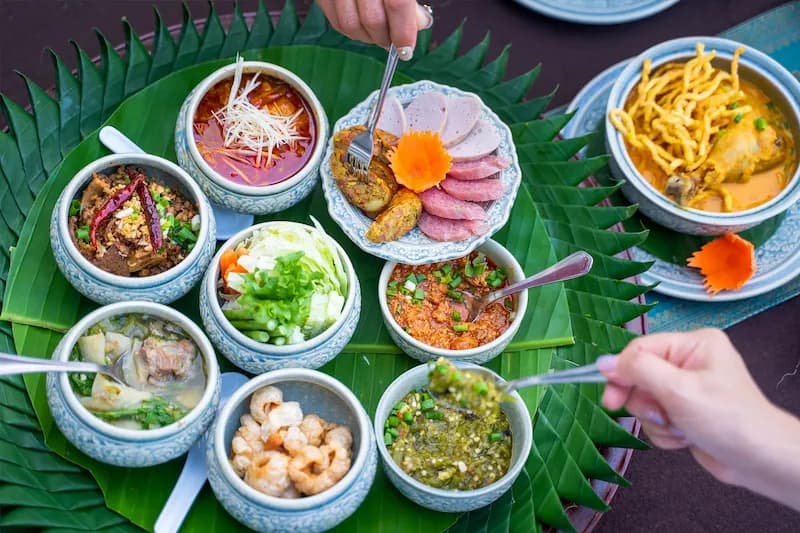
Chiang Mai has its own distinct cuisine that is different from central Thai food and genuinely extraordinary. Khao soi, a rich coconut curry noodle soup, is the dish that defines northern Thailand and Chiang Mai is the best place in the world to eat it. Sai oua, the northern Thai pork sausage, is sold at every market. Nam prik noom, a roasted green chilli dip served with vegetables and pork crackling, is a staple of every local meal. Beyond the northern specialties, the city has an exceptional cafe culture. Independent coffee shops with single-origin beans from the surrounding highlands are everywhere. Street food prices are among the lowest in Thailand. A full local meal costs €1.50 to €3. The night markets at Saturday Walking Street and Sunday Walking Street are two of the best in the country.
The nomad community
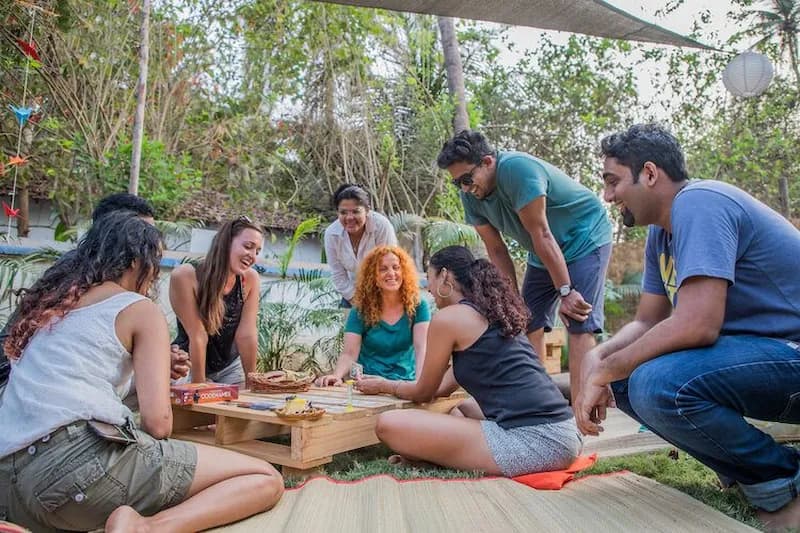
Chiang Mai has the most established and welcoming digital nomad community in Asia. The city has work-ready infrastructure, frequent meetups and a growing calendar of tech, design and business events. The Nomad Summit, held annually in Chiang Mai, draws remote workers and location-independent entrepreneurs from across the world. Facebook groups, Slack communities, coworking space events and neighbourhood meetups make it almost impossible not to build a social and professional network quickly. The community is genuinely diverse in terms of backgrounds and industries, not just tech and software. Designers, writers, coaches, consultants, e-commerce entrepreneurs and creatives of all kinds call Chiang Mai home for months or years at a time.

Nature and outdoor life
Chiang Mai sits in a valley surrounded by mountains and national parks and this shapes daily life in a way that no other major Thai city can match. Doi Inthanon, the highest mountain in Thailand, is less than two hours away. Doi Suthep, the mountain temple that watches over the city, is visible from almost everywhere and reachable in 30 minutes by scooter. Waterfalls, jungle trekking routes, mountain cycling trails, elephant sanctuaries and rock climbing areas are all within an hour of the city centre. Many Chiang Mai expats structure their weeks around early morning rides up the mountain, weekend hikes and regular trips to the surrounding countryside. The outdoor access here is genuinely extraordinary for a city of this size and is one of the main reasons people choose Chiang Mai over Bangkok.

Coworking and work-friendly cafes
Coworking in Chiang Mai still clusters around Nimman, with plenty of laptop-friendly cafes nearby. Punspace remains the most iconic name, with two locations that have been welcoming nomads for over a decade. Hub53 in Nimman combines coliving and coworking with a strong community focus. Beyond dedicated coworking, Chiang Mai has an extraordinary density of cafes genuinely designed for working. Fast wifi, good coffee, comfortable seating and no pressure to leave after one drink. Many nomads never bother with a formal coworking membership and work exclusively from cafes. Monthly coworking memberships start from €50, significantly cheaper than Bangkok.
Social life and evenings
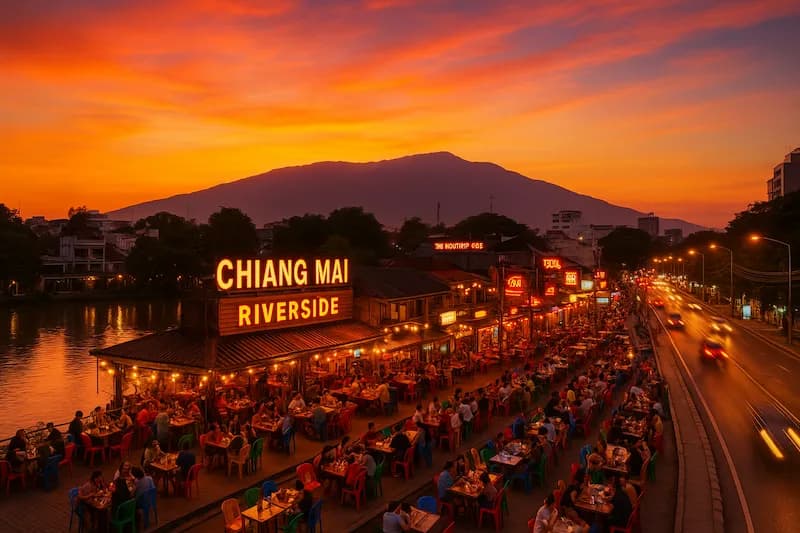
Chiang Mai's social scene is smaller than Bangkok's but surprisingly rich for a city of its size. The Saturday and Sunday Walking Streets transform the Old City into a slow-moving festival of food, handicrafts and live music every week. Nimman Road has a concentrated strip of bars, rooftop spots and live music venues catering specifically to the expat and nomad crowd. The night bazaar area near the Ping River has a different, more relaxed character with jazz bars and riverside restaurants. Regular nomad meetups, coworking events, language exchanges and activity groups mean the social calendar is always full for those who want it. Nights end earlier than Bangkok, the vibe is more relaxed and the focus tends to be on genuine connection rather than party culture.
Is Chiang Mai Right for You?
Chiang Mai is not for everyone. It is one of the best cities in the world for a specific type of expat. Here is how to know if you are that person.
Chiang Mai is right for you if
Chiang Mai is probably not right for you if
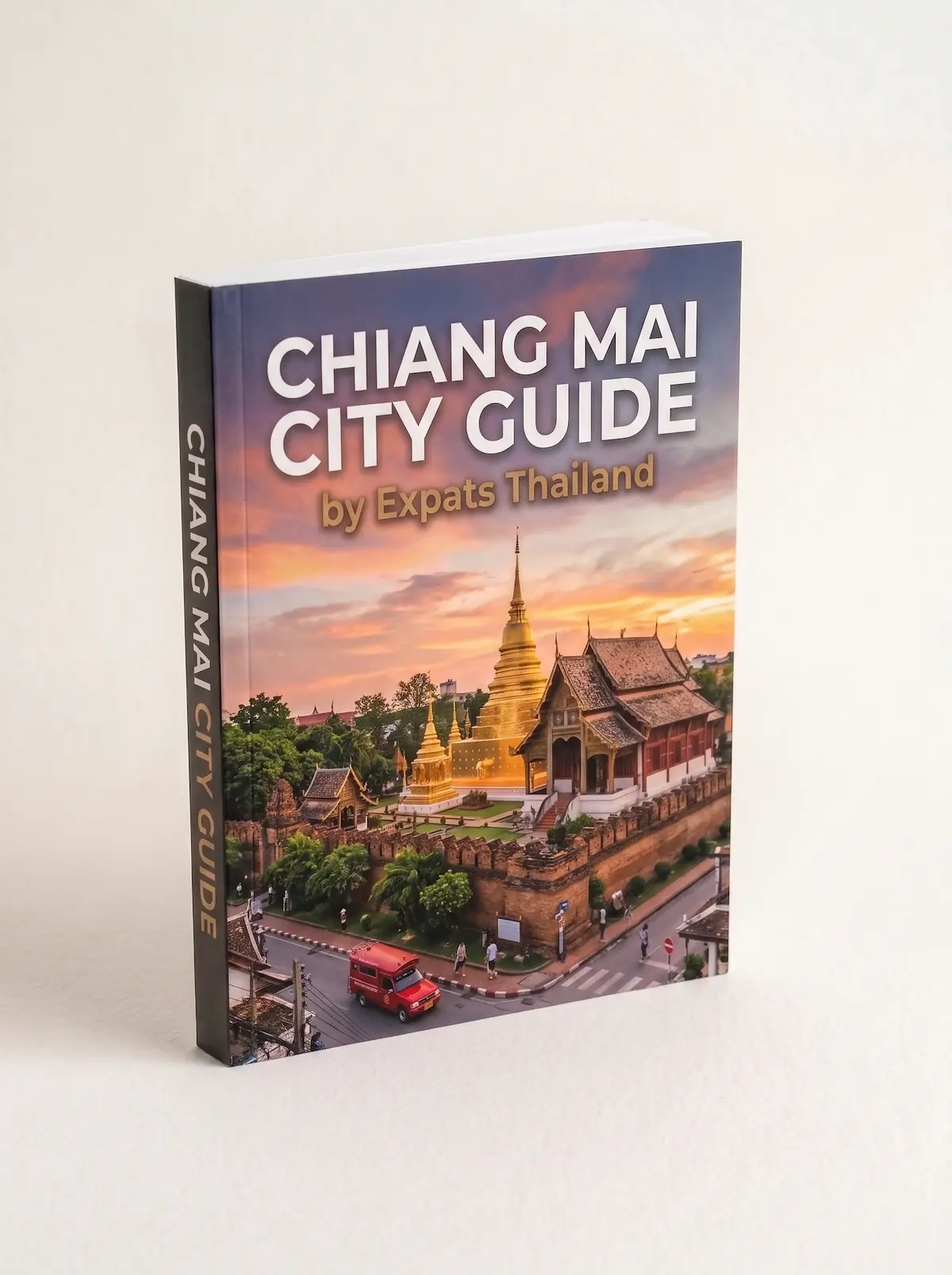
Chiang Mai City Guide by Expats Thailand
The insider guide to living in Chiang Mai. The best khao soi spots in every neighbourhood, the cafes worth working from for months, the hidden trails above the city, trusted doctors and dentists, the markets locals actually love, and everything you need for your first week from people who actually live here.
- ✓Best restaurants and street food spots by neighbourhood
- ✓Trusted doctors, dentists and clinics
- ✓The top work-friendly cafes ranked and reviewed
- ✓Outdoor trails, day trips and weekend adventures
- ✓First week in Chiang Mai: a practical day-by-day guide
- ✓Curated address book updated for 2026
Be the first to know when it launches:
Ready to find your apartment in Chiang Mai?
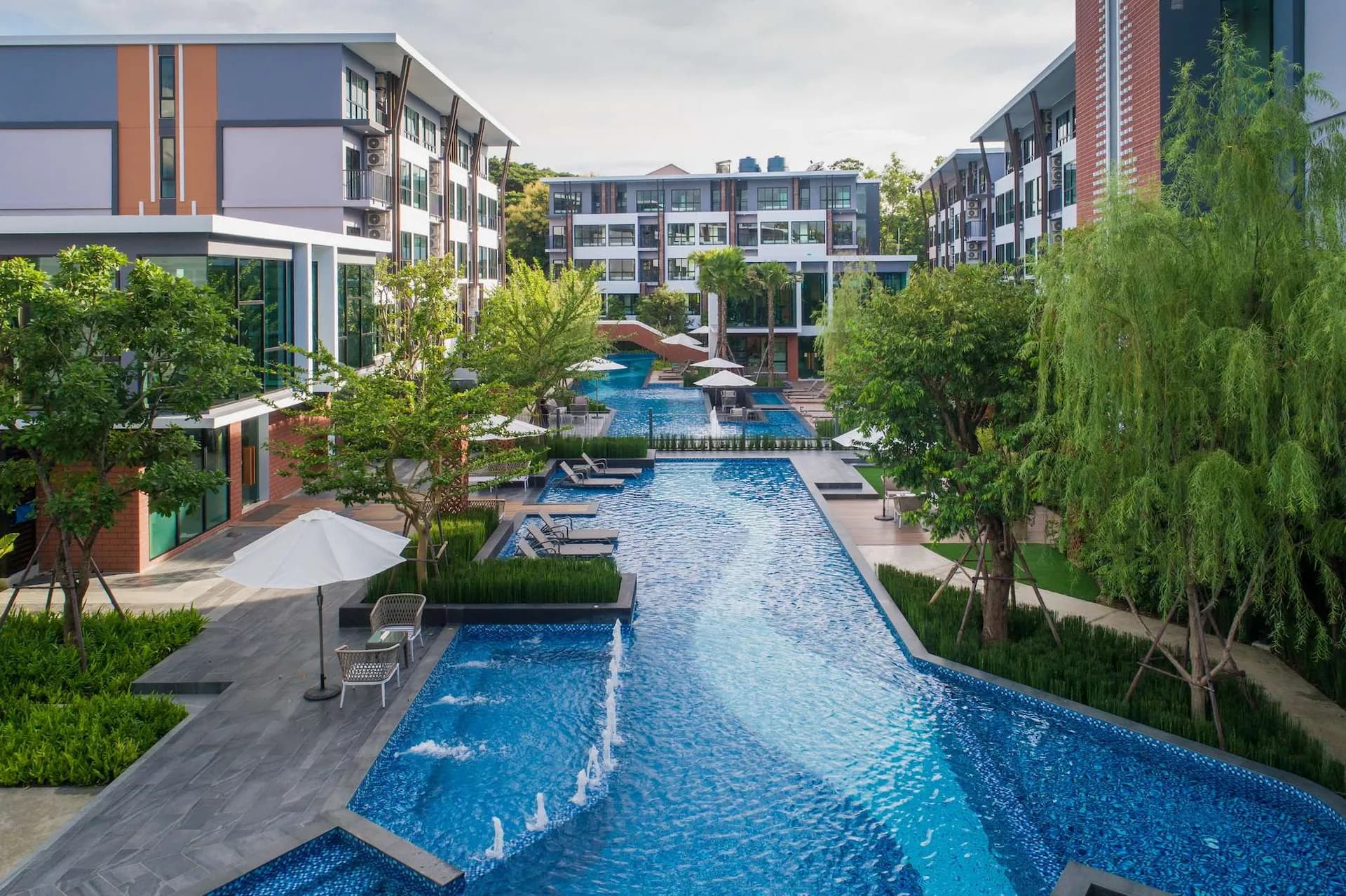
Chiang Mai is a city where the right neighbourhood makes all the difference. Nimman for the nomad lifestyle, Santitham for local character at a lower price, the Old City for culture, Hang Dong for families. We know every area, every building and every landlord worth working with. Tell us your priorities and we find the right apartment before you arrive. Bilingual contract, no scams, no surprises.
Find my apartment in Chiang MaiSee how it works