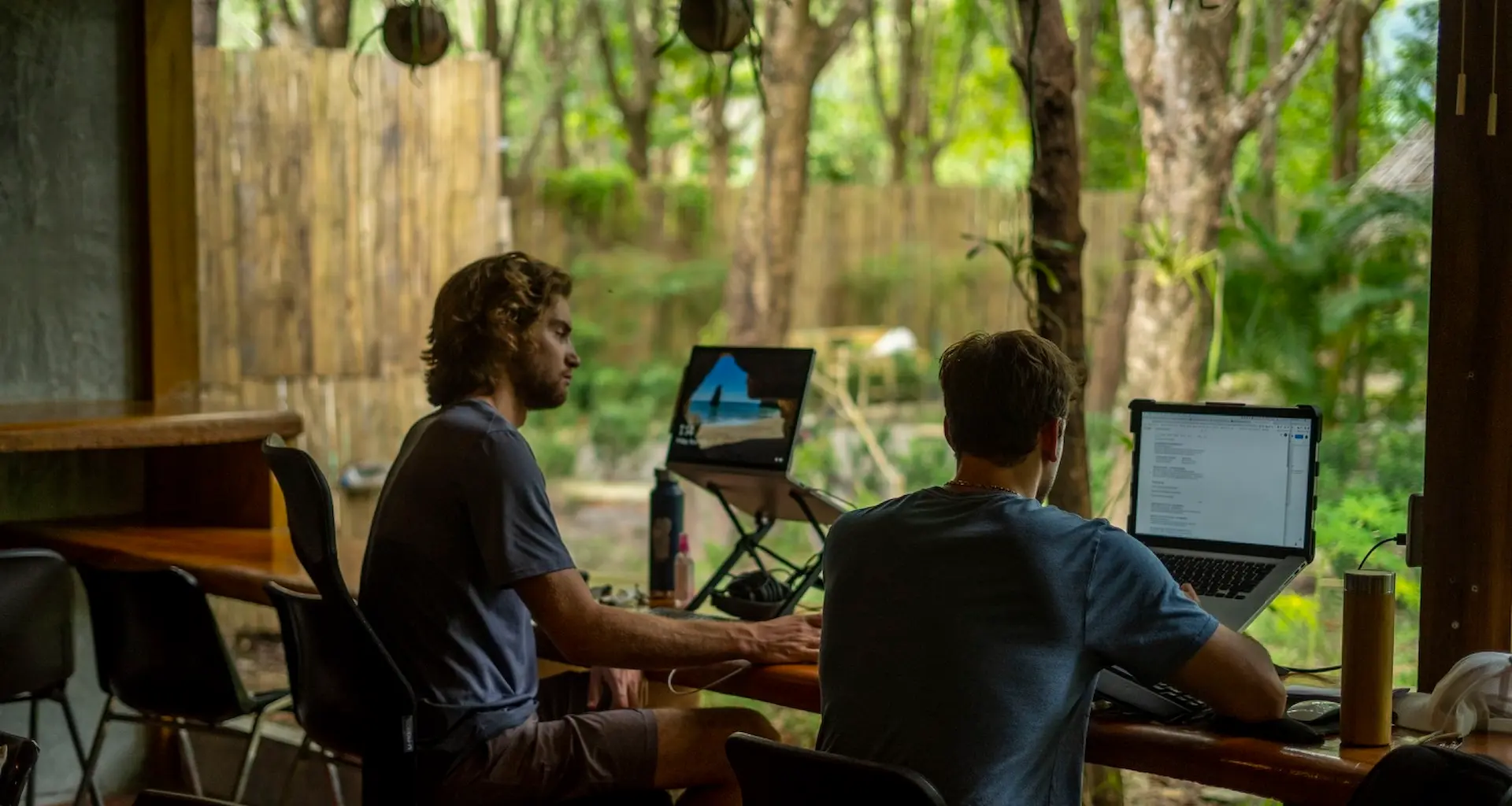
Why Remote Workers Choose Thailand
Thailand has been attracting remote workers and digital nomads longer than almost any other destination. Fast internet, excellent coworking spaces, a thriving international community and a cost of living that lets you live well on less.
Why Thailand Works for Remote Workers

Thailand consistently ranks among the fastest internet countries in Southeast Asia. Average download speeds on fixed broadband exceed 200 Mbps in major cities. 5G is widely available in Bangkok, Chiang Mai and Phuket. Most coworking spaces and cafes offer fibre connections that handle video calls, large file transfers and everything a remote worker needs without issues.
A comfortable remote worker lifestyle in Thailand costs between €1,000 and €1,800 per month depending on the city and your choices. That covers a private apartment, fast internet, coworking membership, food, transport and a solid social life. The same lifestyle in London, Paris or Amsterdam would cost three to four times more. Your salary stays the same. Your quality of life goes up significantly.
Thailand has one of the largest and most established digital nomad communities in the world. In Chiang Mai alone, thousands of remote workers live and work every month. The community is active, welcoming and well organised. Meetups, coworking events, networking dinners and online groups make it easy to connect with people who understand your lifestyle from day one.
Working remotely from Thailand means finishing your calls and being at the beach, the mountains or a rooftop bar within the hour. The food is extraordinary, the weather is warm year-round, the healthcare is excellent and the pace of life outside working hours is genuinely restorative. Thailand does not just work as a place to earn money. It works as a place to actually live.
The DTV (Destination Thailand Visa) is the natural choice for most remote workers, specifically its Workcation category. Up to 180 days per entry, extendable once for another 180 days, with multiple entries over a 5-year period. No employer sponsorship required, but you must show proof of remote income or freelance work and at least 500,000 THB held in your bank account for the past 3 months. Some embassies also request proof of health insurance as part of their local checklist. If you don't have qualifying remote income, the DTV Soft Power category (covering activities like Muay Thai training or Thai culinary courses) may be a simpler route. See our DTV visa guide for the full breakdown. For higher earners, the LTR offers additional tax advantages and 10-year validity. Compare all visa options →
Thailand vs Other Digital Nomad Destinations
There is no perfect destination. Here is an honest comparison so you can make the right decision for your situation.
Cost of living
Best visa options
Internet speed
Nomad community
Healthcare
Climate
Path to permanent residency
The honest summary
Thailand wins on visa flexibility and duration, healthcare quality, overall infrastructure, range of cities and lifestyles, and the combination of low cost with high comfort. Chiang Mai remains one of the top-ranked nomad cities in the world in 2026. Thailand loses on one key point: Portugal offers a clear path to permanent residency after 5 years, which Thailand does not. Vietnam is cheaper for those on a very tight budget. Bali has a stronger wellness and creative community. Malaysia's DE Rantau has a clearer legal framework. The conclusion: if you want the best combination of visa flexibility, infrastructure, healthcare, community and cost in Asia, Thailand is the clear choice.

Thailand. The Best All-Round Choice for Remote Workers in Asia.
Flexible visas that fit the way you work. A cost of living that lets you live well on less. Infrastructure that works. A community that's already there waiting for you.
Internet and Connectivity in Thailand
Thailand ranks in the world's top 15 for fixed broadband, averaging 237 Mbps, with fibre in virtually every urban centre. 5G runs around 200 Mbps on AIS and 180 on TrueMove H.

True Online
12-month contract typically required

AIS Fibre
6 or 12-month contracts depending on the plan
Prices checked September 2026.
Before ordering: check these first
Both providers charge almost exactly the same at every speed tier, so price is not the deciding factor. Ask your landlord or building manager whether the building already has True Online or AIS Fibre infrastructure installed. This is the single biggest factor affecting installation time. Both providers require your passport, Thai address and a contact phone number. Some providers require a Thai bank account for monthly payment. If you do not have one yet, ask about cash payment or prepaid options. Installation typically takes 3 to 7 working days.
Why You Need a VPN in Thailand,
and Our Pick
A VPN routes your connection through your home country. Four reasons expats keep one running in Thailand:
Streaming
Netflix, Disney+, BBC iPlayer and Canal+ switch to the Thai catalogue.
Bank and work
Your home bank raises security alerts, and some corporate tools block the country outright.
Public wifi
Cafes, coworking spaces and hotel lobbies are insecure by default.
Blocked sites
Thailand filters certain sites at ISP level. A VPN restores access if you need it.

Our pick
NordVPN
Best for: most expats, remote workers, families sharing one account
Get NordVPN →These are affiliate links. If you subscribe through these links we receive a small commission at no extra cost to you. We only recommend services we genuinely consider useful for expats in Thailand.
Which SIM Card Should You Get?
An eSIM is the smartest choice before you arrive: activate it at home and land connected. A local SIM is worth switching to once you settle in.

Built-in security
Saily
Some of these links are affiliate links. If you sign up through them, we may earn a commission at no extra cost to you.
Key insight
Prefer a local SIM? AIS and TrueMove H sell prepaid plans from 249 to 299 THB a month, available at the airport on arrival: AIS has the widest coverage outside the cities, TrueMove H the better urban rates. All Thai SIM cards must be registered with your passport, in store at any operator branch or major convenience store, which takes 5 to 10 minutes. Without registration, calls and data are cut off soon after.
Coworking Spaces by City
Every major expat city in Thailand has a strong coworking scene. Here is what to expect in each one.

Bangkok has the widest range of coworking spaces in Thailand. Prices range from €80 to €200 per month for a membership. Day passes from €5 to €15. Best spaces clustered around BTS and MRT lines in Sukhumvit, Silom and Ari.
The Hive Thonglor
Seven floors in the heart of Thonglor with dedicated coworking spaces, a rooftop café and regular community events. One of the most social coworking spaces in Bangkok.
True Digital Park
A massive tech hub with free coworking zones, dedicated fibre connections and a community of startups and remote workers. One of the best facilities in Southeast Asia. BTS accessible.
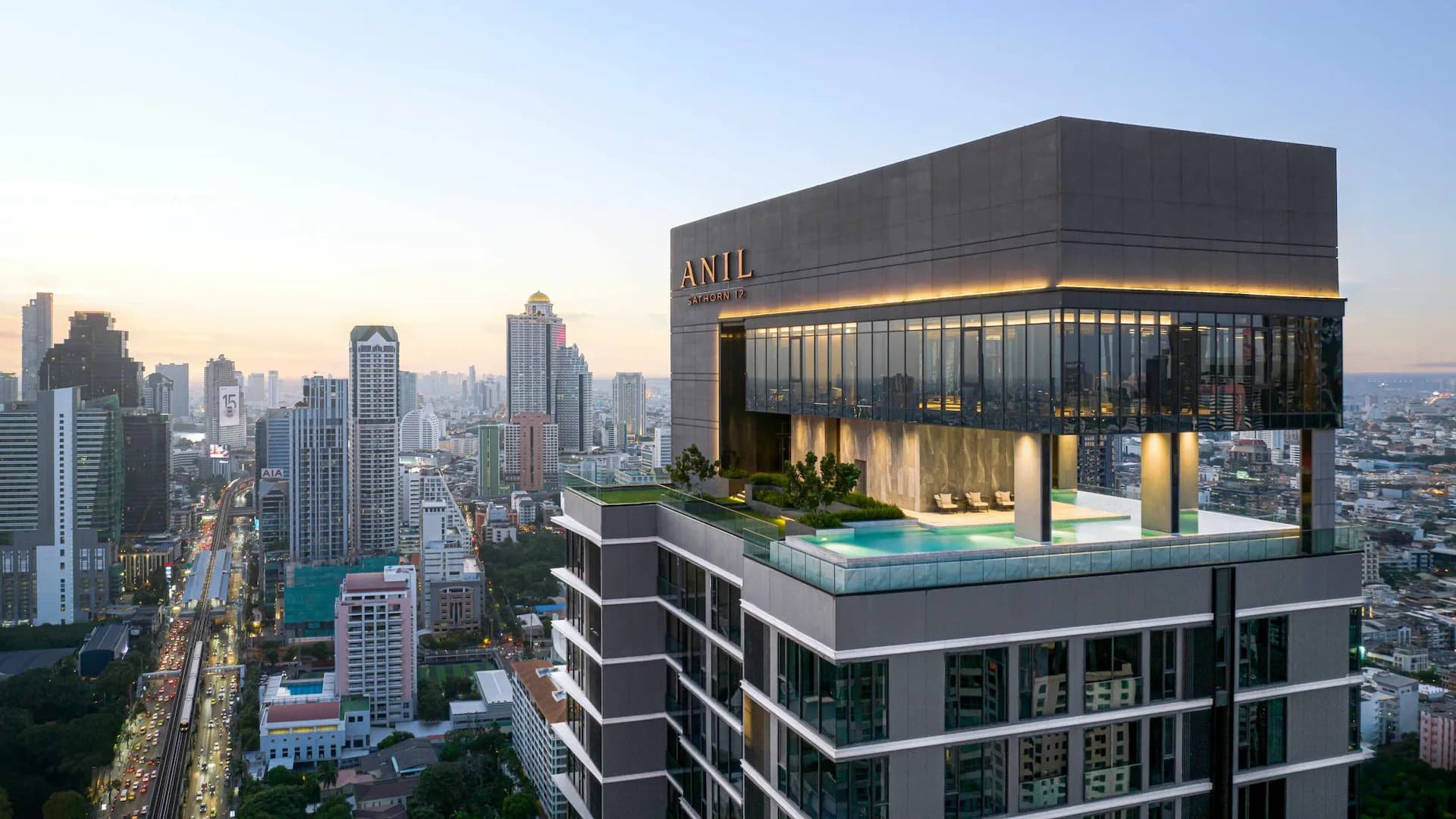
Find the Right Apartment for Remote Work
The right apartment for a remote worker is not the same as the right apartment for a retiree. You need fast fibre in the building, proximity to coworking spaces and a neighbourhood with cafes and energy. Tell us what you need. We find it before you land.