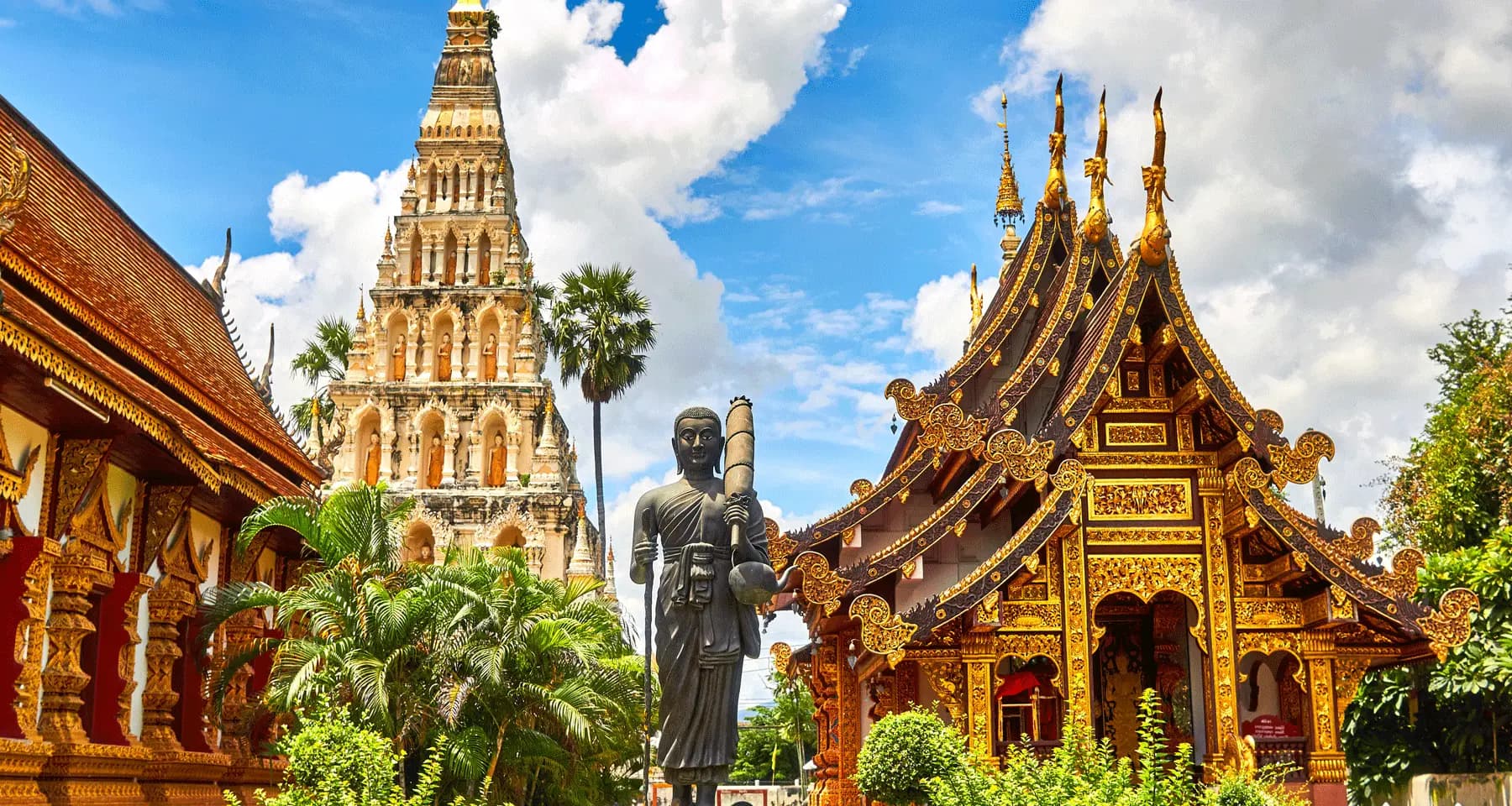
Understanding Thai Culture
Thailand is one of the most welcoming countries in the world for foreigners. But it has a deep and distinctive culture that shapes every interaction. Understanding the basics before you arrive makes the difference between feeling like a tourist and feeling at home.
The Six Things That Shape Thai Culture
The Smile
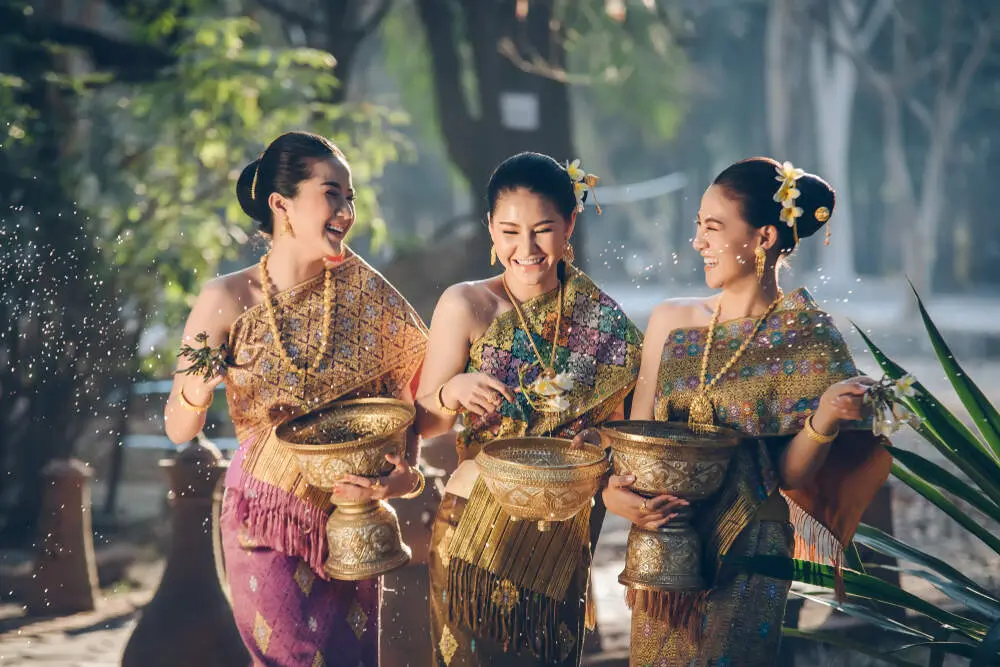
Thailand is known as the Land of Smiles and the reputation is earned. Thais use smiling as a primary social tool: to greet, to diffuse tension, to express politeness and to acknowledge a situation without confrontation. A smile does not always mean happiness. It can mean discomfort, uncertainty or a desire to avoid conflict. Returning a smile is always the right response.
The Monarchy
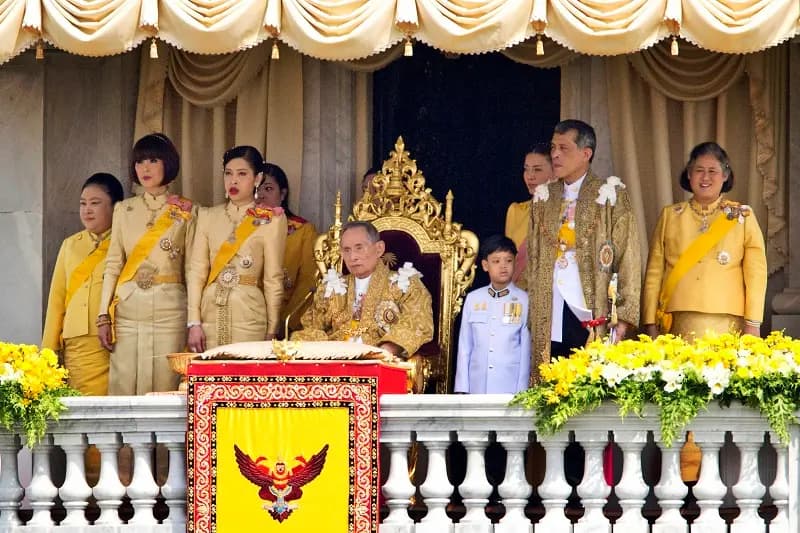
The Thai monarchy occupies a uniquely sacred place in Thai society. The King is deeply revered and lese-majeste laws make criticism of the royal family a serious criminal offence carrying a prison sentence. This is not a cultural quirk. It is law. Never make negative comments about the monarchy in any context. Stand during the royal anthem in cinemas and public events.
Buddhism
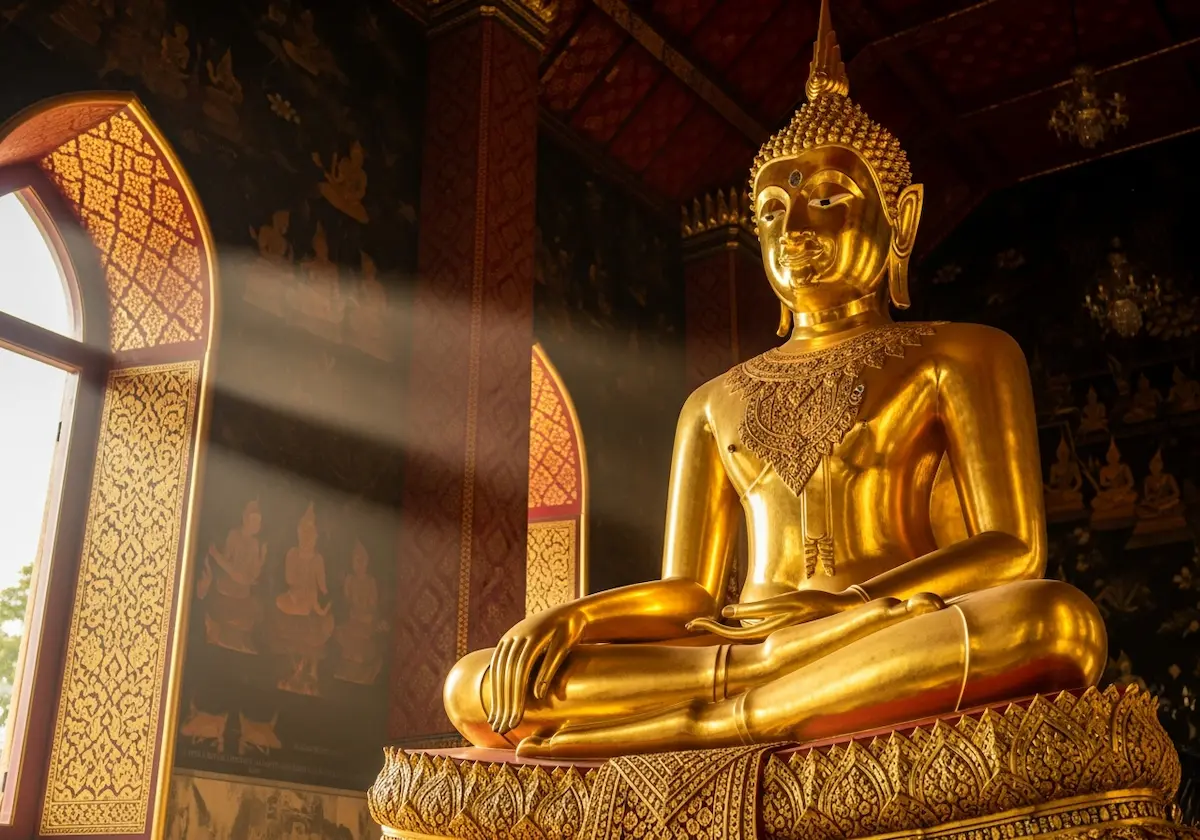
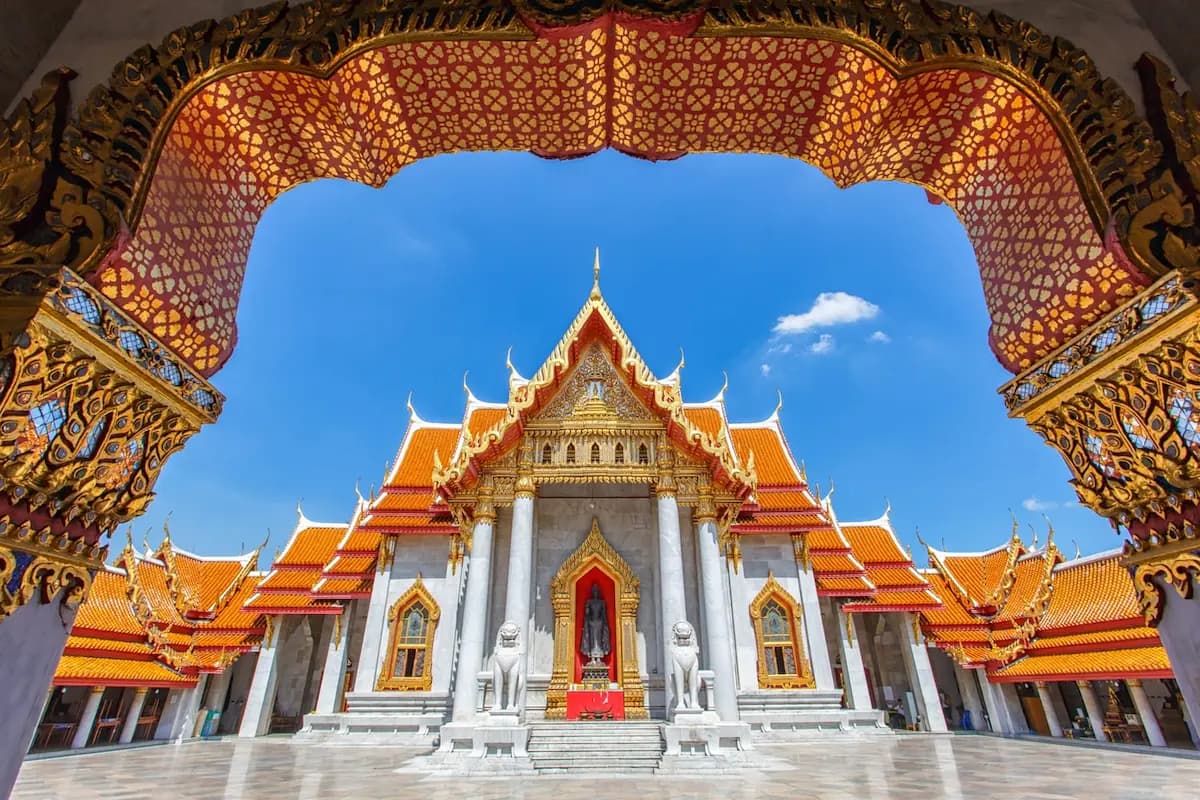
Around 95 percent of Thais are Buddhist and Buddhism shapes daily life, social values and the rhythm of the year. Temples are active places of worship, not tourist attractions. Monks occupy a respected position. Women must never touch a monk or hand anything directly to one. Merit-making, known in Thai as tham bun, is the practice of doing good deeds such as giving to monks, helping others or visiting temples, in the belief that it brings good karma. It is a daily practice for many Thai people. Many Thais visit temples regularly and the Buddhist calendar determines national holidays.
Sanuk
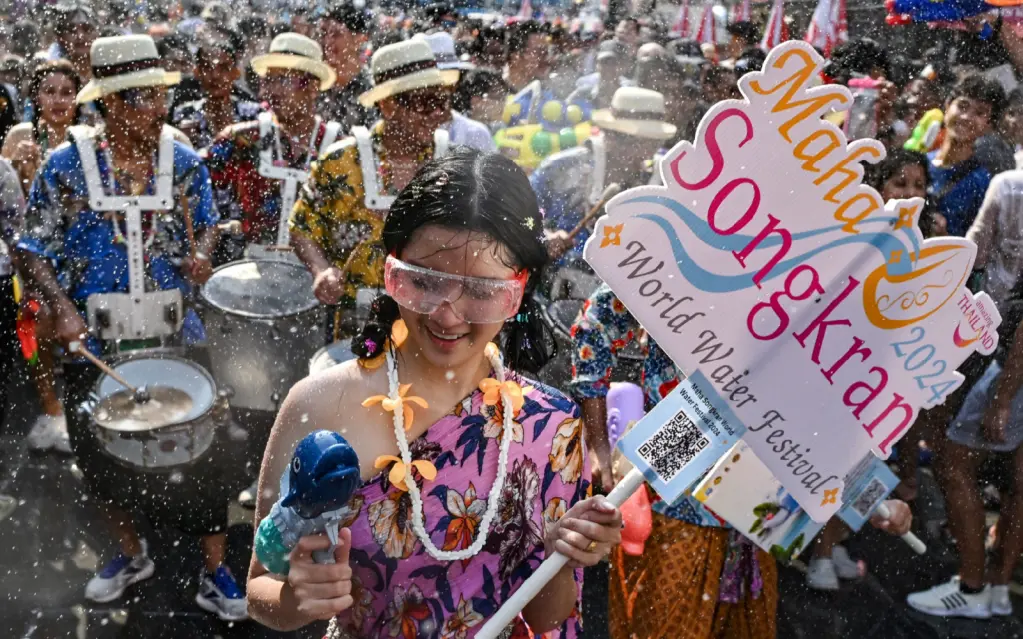
Sanuk means fun and Thais believe that almost everything should have an element of it. Work, errands, social interactions: all are better with a light touch. This is not frivolity. It is a genuine cultural value that prioritises joy and lightness. Approaching situations with humour and good spirit will take you much further than seriousness and formality.
Hierarchy and Respect
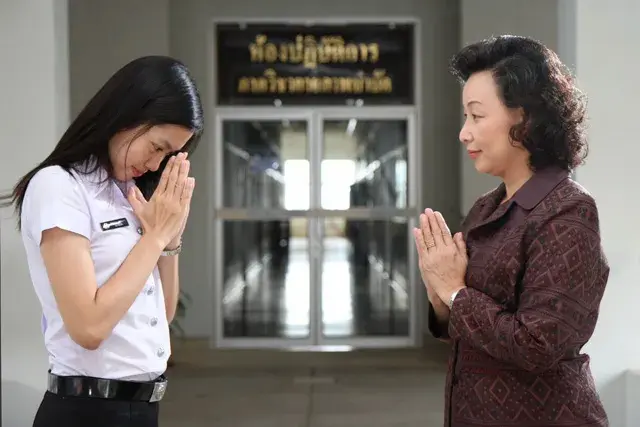
Thai society is deeply hierarchical. Age, rank, wealth and social position all determine how people interact. The wai, pressing palms together and bowing slightly, is the traditional greeting, and its form changes depending on the relative status of the people involved. Elders and those in authority are addressed with particular deference. Understanding this hierarchy makes every social interaction easier.
Face
Saving face (or not causing someone to lose face) is central to Thai social interaction. Public criticism, direct confrontation or expressions of anger are avoided because they cause loss of face for everyone involved. Disagreements are handled indirectly. If something goes wrong, finding a solution quietly is always preferred over public complaint. Adapting to this takes time but understanding it prevents a great deal of frustration.
Essential Do's and Don'ts
The things that matter most in day-to-day life in Thailand.
Do
Don't
Daily Life in Thailand
What daily life actually looks and feels like when you live here.
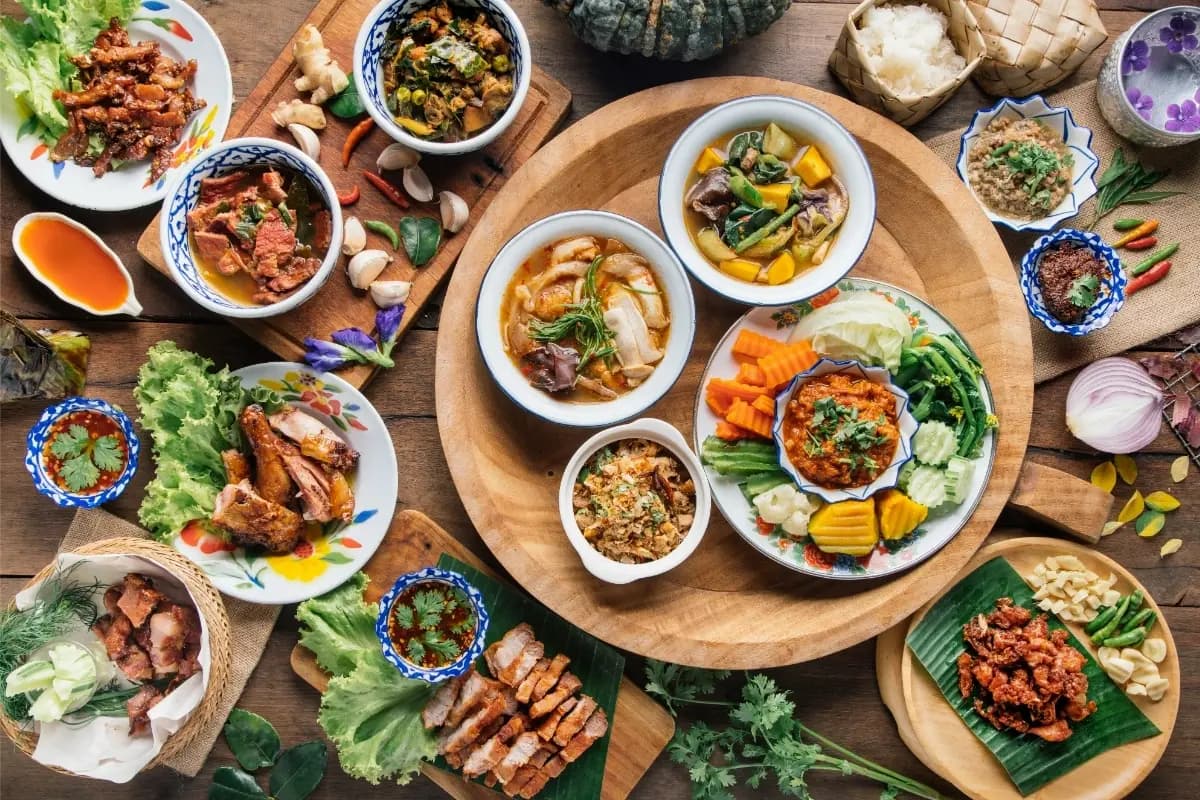
Food is at the centre of Thai daily life in a way that is hard to fully explain until you live here. Eating is social, frequent and genuinely joyful. Thai people eat five or six times a day and the question 'have you eaten yet?' is a common greeting. Street food markets open at dawn and run until midnight. A full meal costs between €1 and €3 at a local stall. The variety is staggering: noodle soups, rice dishes, grilled meats, fresh papaya salads, tropical fruits, desserts made from coconut milk and pandan. Most expats find that after a few months in Thailand their relationship with food changes permanently. Cooking at home becomes less interesting when a better meal is available on the corner for less than a cup of coffee.
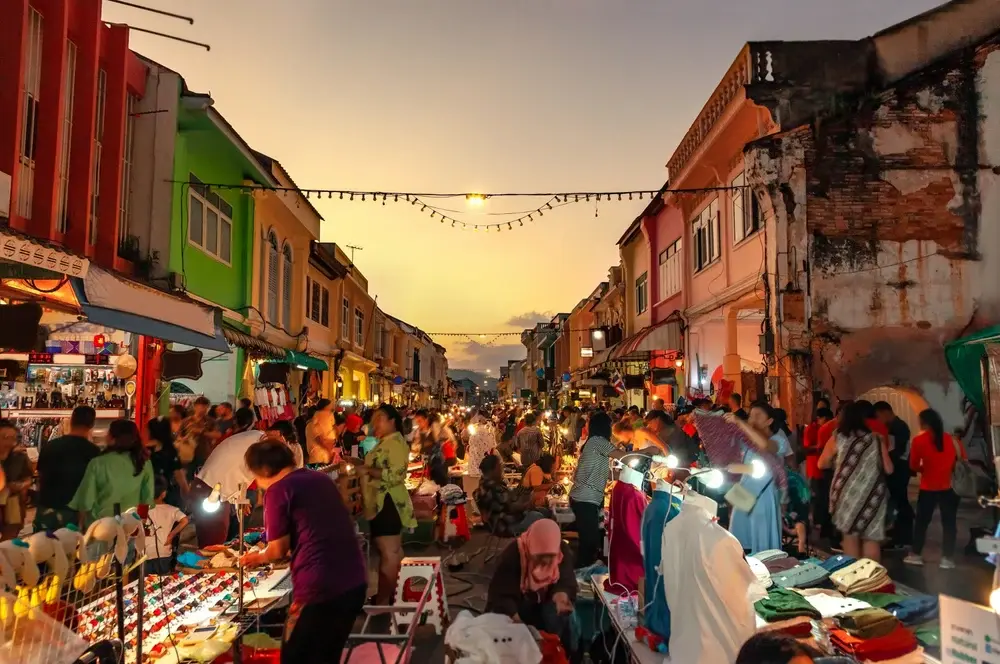
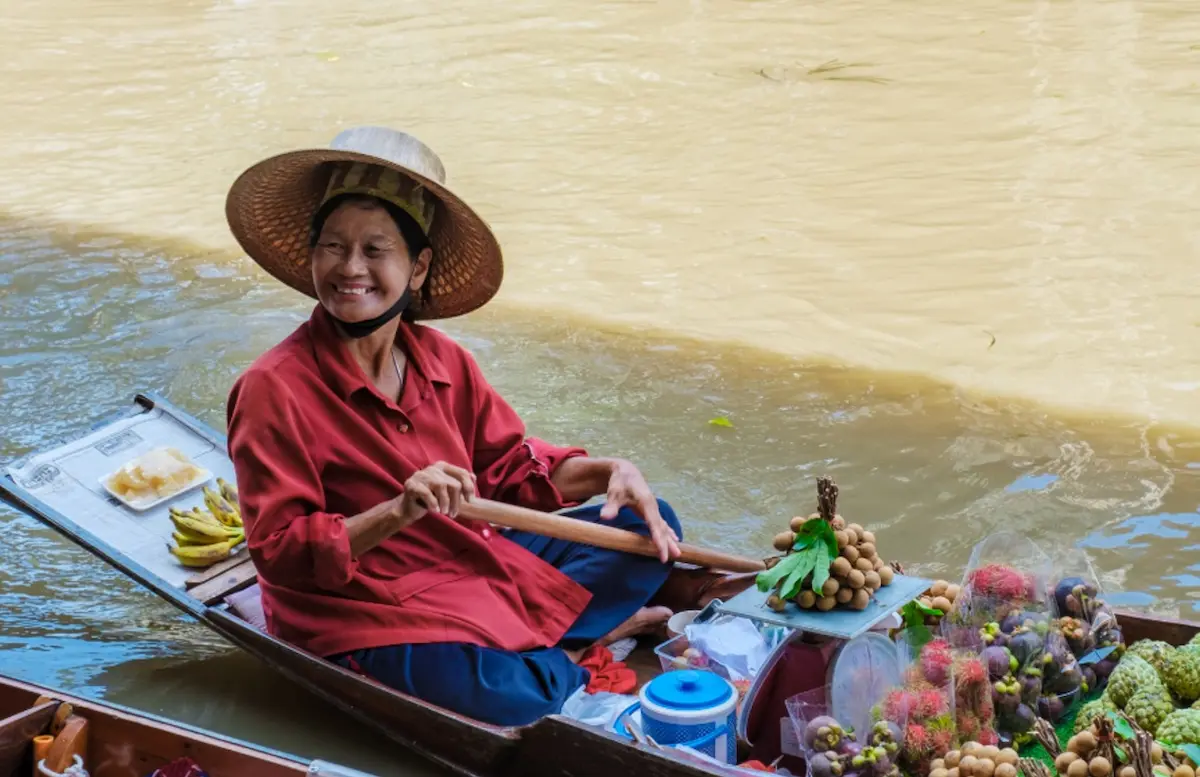
Markets are the heartbeat of Thai daily life. Every city and neighbourhood has its own morning market, night market and weekend market. Morning markets open before dawn and are the best place to experience Thailand at its most authentic. Night markets come alive after sunset and combine street food, local produce, clothing, handicrafts and socialising. The ones worth finding are the neighbourhood markets where Thai people actually shop and eat every day. Ask a local or your neighbours where they go. Modern shopping malls are also excellent: air-conditioned, well-stocked and often open until 10pm. Major cities have international supermarkets for imported goods when needed.
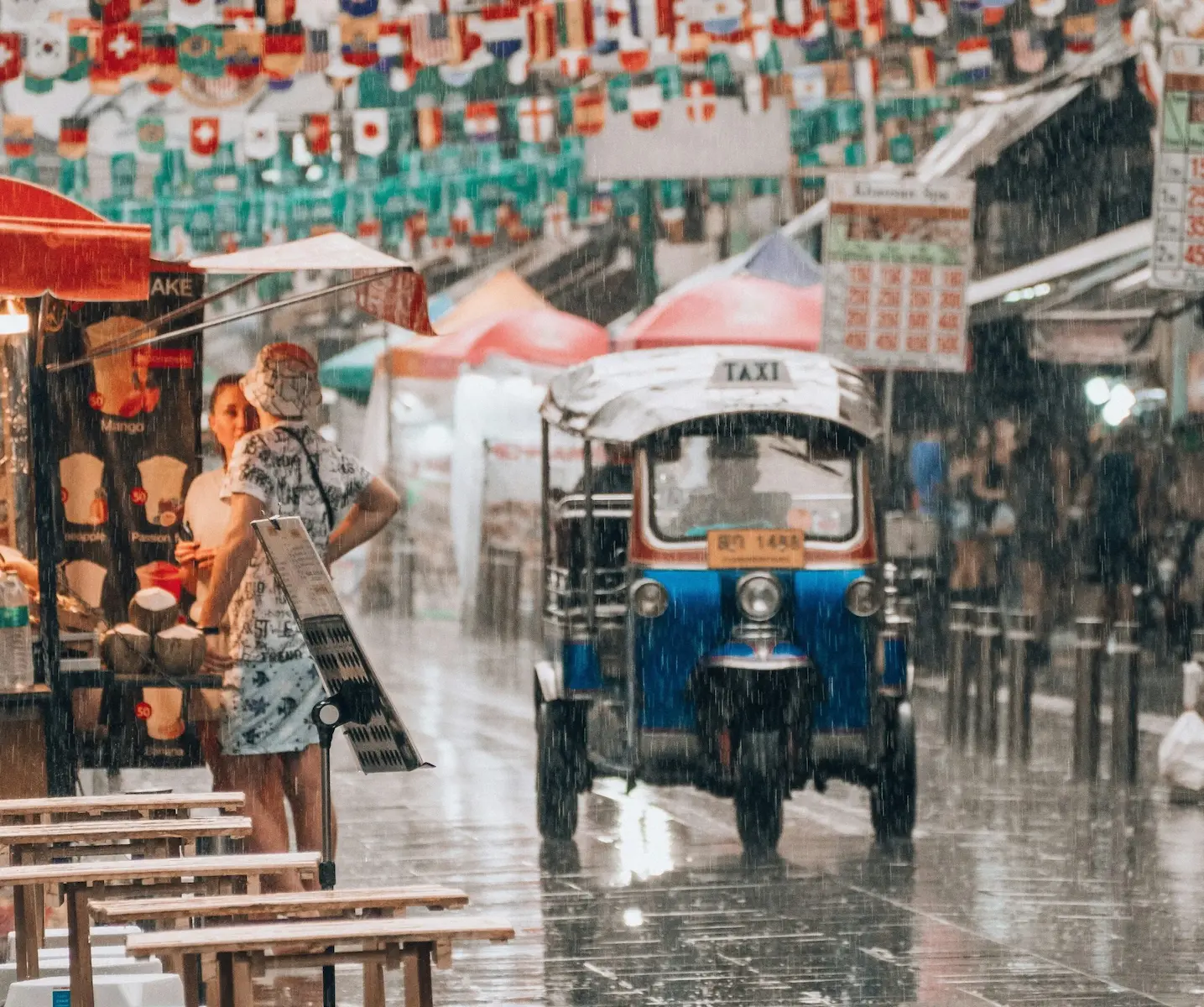
Thailand has three seasons rather than four. The hot season runs from March to May when temperatures regularly exceed 40°C in the north and central regions. The wet season, or monsoon, runs from June to October when heavy rain falls most afternoons and some areas experience significant flooding. The cool season from November to February is the most pleasant time of year: temperatures drop, skies are clear and humidity falls. Chiang Mai has the most distinct seasons and the clearest cool season. Bangkok and the Gulf coast experience the monsoon differently from Phuket and the Andaman coast, which means there is always a part of Thailand with good weather. Pack light, plan for afternoon showers in the wet season and embrace the heat as part of the lifestyle.
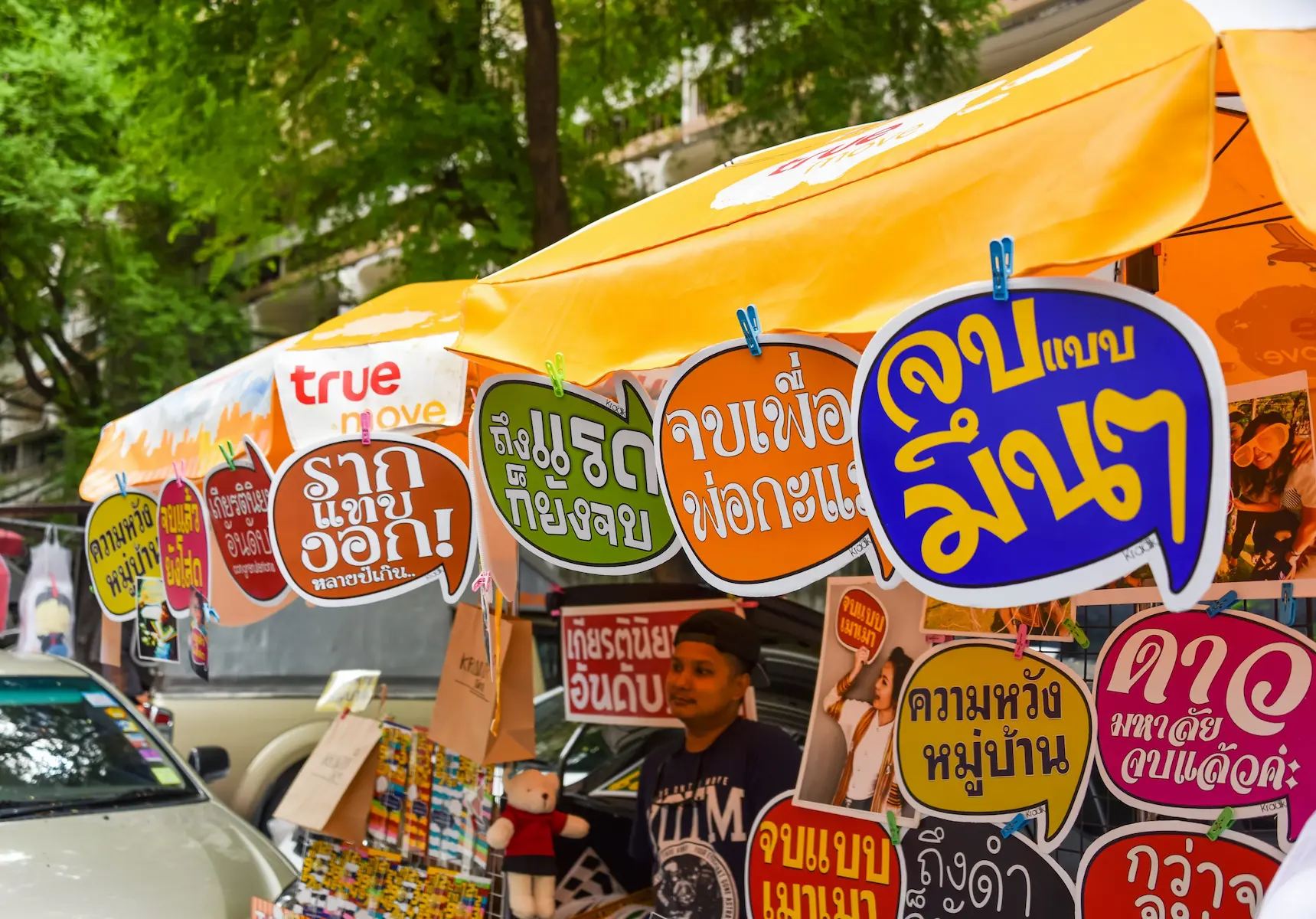
Thai is a tonal language with its own script and five distinct tones. The same word can mean five different things depending on how it is pronounced. You do not need to speak Thai to live comfortably in Thailand. English is widely spoken in Bangkok, Chiang Mai and Phuket. But learning the basics will transform your daily experience. Start with greetings (sawasdee krap for men, sawasdee ka for women), thank you (khob khun krap/ka) and numbers for market shopping. Thai people respond with visible delight when foreigners make any effort with the language. Google Translate's camera feature reads Thai script in real time and is invaluable for menus, signs and packaging. Most expats pick up functional Thai within six to twelve months of daily immersion without taking formal classes.
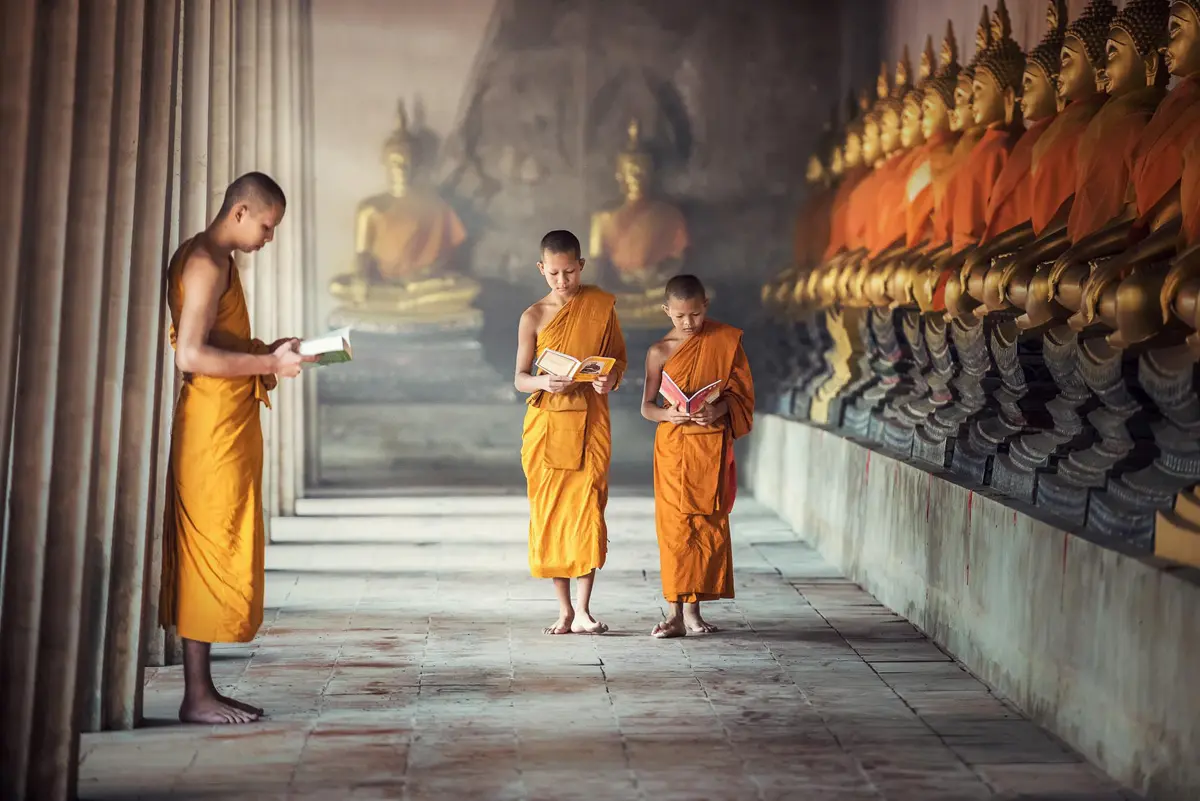
Buddhism shapes daily life in Thailand in ways that are visible, beautiful and entirely non-intrusive. Monks walk through neighbourhoods each morning collecting alms. The act of giving is a form of merit-making, known as tham bun, that earns good karma. Small spirit houses stand outside virtually every building, receiving daily offerings of flowers, incense and food. The Buddhist calendar determines national holidays and many businesses close on major observance days. Alcohol cannot be sold on Visakha Bucha, Makha Bucha, Asalha Bucha and Buddhist Lent days. Check the calendar when you arrive. For expats, the practical points are simple: be respectful in and around temples, dress appropriately near sacred sites and be aware of the Buddhist holiday schedule. The Buddhist values that permeate Thai culture, kindness, patience, generosity and finding joy in the present moment, are something most expats come to deeply appreciate.
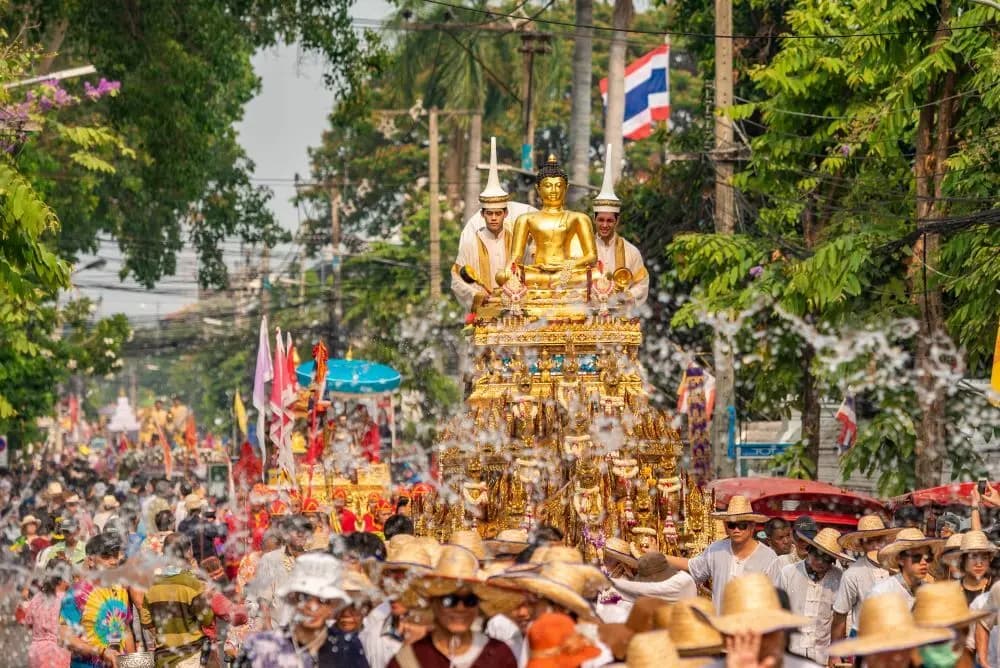
Thailand has some of the most spectacular festivals in the world and living here means experiencing them in a way few visitors ever do. Songkran in April is the Thai New Year and the world's largest water festival. For three days the entire country celebrates with water fights in the streets. It is impossible not to join in. Loi Krathong in November is one of the most beautiful nights of the year. Thousands of small lotus-shaped floats carrying candles and incense are released onto rivers and lakes across the country. In Chiang Mai the sky fills with thousands of glowing lanterns at Yi Peng. Beyond the major festivals, Thailand celebrates the King's Birthday, Buddhist holidays and local temple fairs throughout the year. Check the calendar before planning business trips or travel. Many things close during major holidays.
Thailand Rewards Those Who Take the Time to Understand It
The expats who thrive in Thailand are the ones who engage with the culture rather than observing it from a distance. We have helped 200+ people make the move. We are based here. We know the difference.