Complete DTV Guide
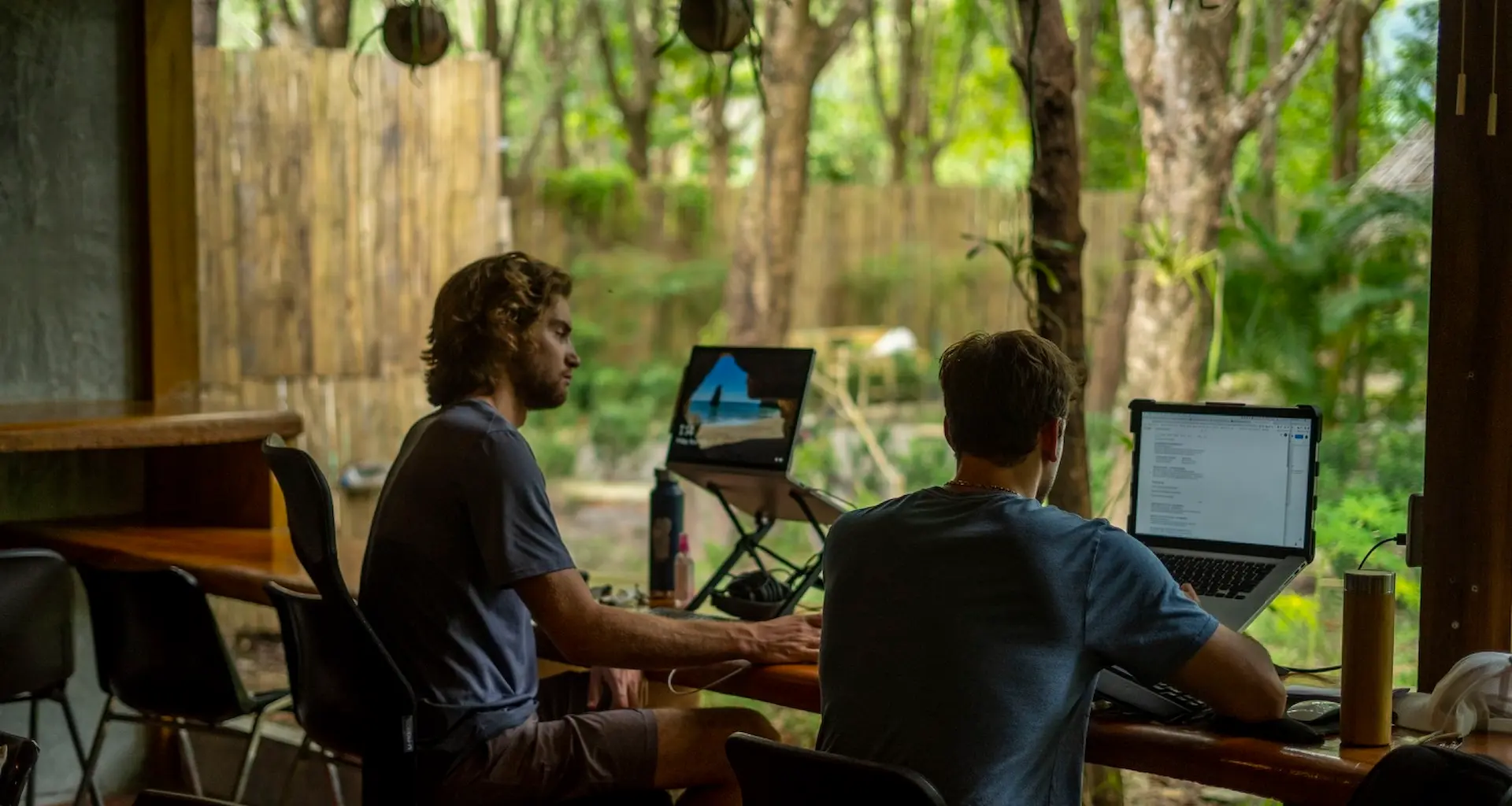
The most flexible long-stay visa Thailand has ever offered. Designed for remote workers, freelancers, digital nomads and participants in the DTV's Soft Power category (cultural activities like Muay Thai or Thai cooking). Up to 180 days per entry over 5 years with no employer sponsorship required.
The information on this page is provided for general guidance only and is based on publicly available sources as of September 2026, including the DTV rule changes that took effect on 31 August 2026. Thai immigration rules change frequently. Always verify current requirements with the Royal Thai Embassy or consulate in your country, or the country you are applying from.
Important: the DTV rules changed on 31 August 2026
Two changes apply to every DTV application filed from 31 August 2026. You can now only apply in a country where you are a citizen or a permanent resident, which closes the visa-run route through third countries. And every applicant must now submit a police clearance certificate, usually issued within the last 6 months.
Who Is the DTV For?
All three categories result in the same DTV visa, with identical validity, stay length and rights. The DTV was designed for three distinct groups of foreign nationals.


Not suitable
The DTV is NOT for:
Eligibility Requirements
You must be at least 20 years old. Applicants under 20 can only apply as dependants of a primary DTV holder.
Valid passport from an eligible country with at least 6 months of remaining validity from your intended entry date and a minimum of 2 blank pages for visa stamps. The DTV is available to nationals of most countries worldwide. Nationals of Afghanistan, Iraq and North Korea face additional scrutiny.
No history of overstaying in Thailand, no entry on the Thai immigration blacklist and no previous negative immigration history in Thailand.
Since 31 August 2026, every DTV applicant must submit a police clearance or criminal record certificate. It must come from your country of nationality or from the country where you are applying, and most missions require it to have been issued within the last 6 months. Issuing times vary widely, from a few days to several weeks, so request it before you assemble the rest of your file. A certificate that expires before your application is processed will need to be reissued.
Minimum balance of 500,000 THB in your personal bank account. This is roughly €13,500 at current exchange rates, but the required amount is always set in THB, so the equivalent in your currency can shift over time. Always check the current exchange rate before assuming a fixed figure in your own currency. This must be a liquid bank balance. Investments, cryptocurrency and property do not qualify. Bank statements must cover 3 to 6 months depending on the embassy, showing a stable balance throughout, not a recent lump sum deposit. This is an eligibility requirement only. Once your visa is approved, there is no official obligation to maintain this balance.
For Workcation applicants: proof of remote employment or freelance activity such as an employment contract, payslips, client contracts or invoices, or portfolio evidence such as a professional website, LinkedIn profile or published work history. Freelancers with less than 6 months of income history face a higher risk of rejection at some embassies, so an established track record strengthens your application.
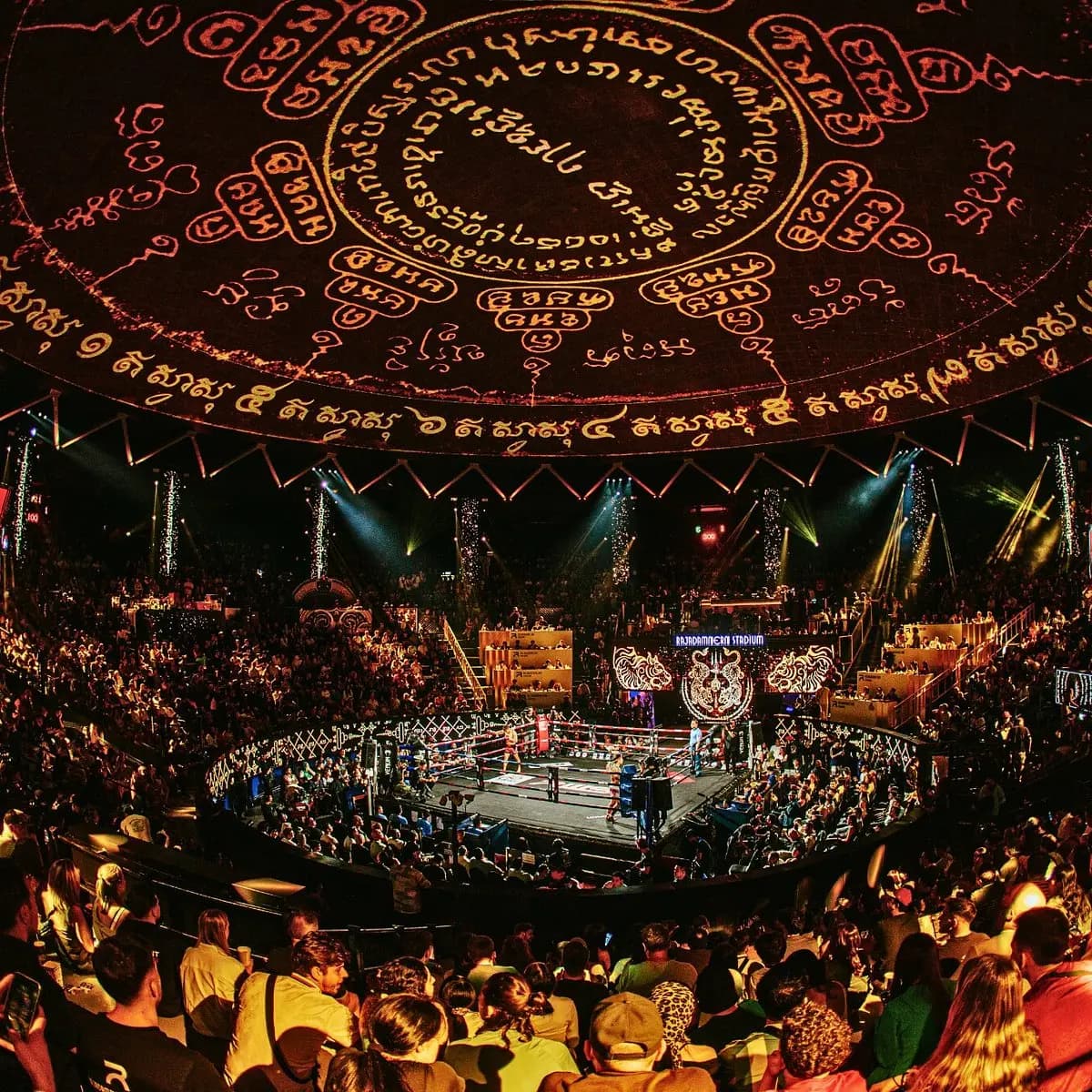
For Soft Power applicants: proof of enrolment in a qualifying Thai cultural activity (Muay Thai gym, cooking school or medical institution). Some applicants without strong freelance documentation choose the Soft Power route instead, since it does not require proof of work. However, scrutiny of this approach has increased in 2025 and 2026, as Thai authorities have moved to filter out applicants using Soft Power purely as a workaround rather than genuine participants. Embassies may check whether you actually attended your classes or programme, not just that you enrolled.
You cannot apply for the DTV while physically present in Thailand, whatever visa you currently hold. You must apply at a Thai embassy or consulate abroad, and since 31 August 2026 that post must be in a country where you are a citizen or a permanent resident. For most applicants this means applying from their home country. Applying at a third-country embassy while there as a tourist is no longer accepted.
DTV Costs: What to Budget
All fees and costs associated with your DTV application and your first year in Thailand.
Government application fee
~10,000 THB (≈ €265, varies by embassy and local currency)
Non-refundable. Varies by embassy and local currency.
Police clearance certificate
Free to ~€60, depending on country
Mandatory for all applicants since 31 August 2026. Free in some countries, chargeable in others. Allow several weeks for issuing, and check that it will still be within its validity window when your application is reviewed.
In-country extension fee
1,900 THB (≈ €50)
Per extension. This lets you stay an extra 180 days inside Thailand without leaving, instead of exiting and re-entering. Maximum one extension per entry. Payable at your local immigration office.
Financial proof requirement
500,000 THB (≈ €13,500)
This money stays in your account. It is not a fee or deposit. You must show it held for 3 to 6 months before applying, depending on the embassy. No obligation to maintain the balance after approval.
Health insurance (recommended)
~25,000–60,000 THB/year
Not legally required for DTV. Strongly recommended.
See insurance options →Document translations (if applicable)
€50–150 per document
For non-English, non-Thai documents requiring certified translation.
Visa run costs (if applicable)
€80–200
Short trip to a neighbouring country to exit and re-enter for a fresh 180-day stamp. Laos, Malaysia or Cambodia. This is for renewing your stay, not for applying: since 31 August 2026 a DTV application cannot be filed in a country where you are only a visitor.
Professional application assistance (recommended)
Variable
Some applicants use a visa consultant to reduce rejection risk. Contact us for trusted partners.
Contact usPrices are indicative and can vary by embassy, provider and exchange rate. Always confirm current costs before budgeting or applying.
Required Documents

Requirements can vary slightly between embassies. Always confirm with your specific embassy before submitting.
- →Valid passport with at least 6 months remaining validity and 2 blank pages
- →Copy of all passport pages
- →Recent passport-style photograph: white background, neutral clothing, no glasses or headwear, taken within the last 6 months, different from your passport photo
- →Bank statements covering 3 to 6 months showing a minimum balance of 500,000 THB throughout (official bank documents only, no screenshots or online exports)
- →Self-introduction letter in English: your name, age, education, current employment, annual income and reasons for choosing Thailand
- →Police clearance certificate (criminal record certificate), issued by your country of nationality or the country you are applying in. Most missions require one issued within the last 6 months. The name differs by country: bulletin n°3 du casier judiciaire in France, ACRO Police Certificate in the UK, FBI Identity History Summary in the US. Request it first: some countries take several weeks to issue it.
- →Proof that you may apply in that country: your passport if you are a national, or official proof of permanent residence if you are applying as a resident (permanent residence card or permit, indefinite leave to remain, long-term residency certificate).
- →Employment contract with a foreign employer on company letterhead
- →Recent payslips for the last 3 months
- →Client contracts or invoices demonstrating ongoing freelance work, or portfolio evidence such as a professional website, LinkedIn profile or published work history
- →Business registration documents if you own your own company. A very recently registered company may increase the risk of rejection, even with genuine income, though this is not officially confirmed and appears to vary by embassy. If your company is new, contact your embassy before applying to check whether this could affect your case.
- →Official enrolment certificate from a registered Thai Muay Thai gym, cooking school or medical institution
- →Evidence that the programme has a significant duration. 6 months is generally treated as a bare minimum, and many recent applicants report that 9 to 12 months gives a noticeably stronger chance of approval. A programme that is too short risks being redirected to a standard tourist visa instead of the DTV.
- →Marriage certificate (for spouse) or birth certificate (for children), translated into English if in another language
- →A copy of the primary DTV holder's approved visa. In most cases, dependants can only apply once the primary applicant's DTV has already been issued, since proof of their approved status is required as part of the dependant's application
- →Additional proof of relationship may be requested
Since 31 August 2026, a DTV application can only be submitted in a country where you are a citizen or a national, or a permanent resident. Choosing whichever Thai embassy is most convenient is no longer possible. For most applicants, this means the Thai embassy or consulate with jurisdiction over their home address.
If you apply in your country of nationality, your passport establishes your eligibility and no separate residence document is normally required. If you apply in a country where you hold permanent residence, you must prove that status with an official document: a permanent residence card or permit, indefinite leave to remain, a long-term residency certificate or the local equivalent. A tenancy agreement, a utility bill, a hotel booking or a tourist visa in that country is not sufficient.
In practice, this closes the visa-run application route. If you are in Thailand on another visa, you can no longer exit to Laos, Cambodia or Vietnam and file there unless you are a national or permanent resident of that country. Embassies still apply the rules with some local variation, so confirm the exact document list with the mission you intend to use before you start assembling your file.
All documents in a language other than English or Thai must be translated by a certified translator. Scan all documents clearly in PDF or JPEG format, each file under 5MB. Blurry scans are a common cause of rejection.
How to Apply for the DTV: Step by Step

Before preparing any documents, confirm that you meet all the eligibility conditions. You must be at least 20 years old, have a valid passport, have a clean Thai immigration record, hold at least 500,000 THB in a personal bank account demonstrated over 3 to 6 months depending on the embassy, and have a qualifying activity: either remote work or freelance income (Workcation category) or enrolment in an approved Thai cultural activity such as Muay Thai, cooking or medical treatment (Soft Power category). Since 31 August 2026 you must also be able to apply in a country where you are a citizen or a permanent resident, and provide a police clearance certificate.
Since 31 August 2026 this choice is much narrower than it used to be. You must apply in a country where you are a citizen or a permanent resident, which for most applicants means the Thai embassy or consulate with jurisdiction over their home address. If you hold permanent residence in another country, you can apply there instead, with official proof of that status. Applying at a neighbouring country's embassy during a visa run is no longer possible unless you are a national or permanent resident there. If you are already in Thailand, you must exit and apply from a country where you qualify, which in most cases means travelling home. The Thai eVisa system at thaievisa.go.th still handles online submission, but you must select the mission covering your country of nationality or residence, and some embassies require an in-person appointment afterwards. Confirm the specific document list and appointment policy of your post before you begin.
Gather all required documents according to the checklist for your category. Core documents: valid passport, copy of all pages, recent passport photo (white background, neutral clothing, taken within the last 6 months, different from passport photo), bank statements covering 3 to 6 months showing 500,000 THB minimum balance, a police clearance certificate issued within the last 6 months, proof of permanent residence if you are not applying in your country of nationality, self-introduction letter in English. For Workcation: add employment contract, payslips or client invoices. For Soft Power: add enrolment certificate. All non-English or non-Thai documents must be certified translated. Scan all files clearly in PDF or JPEG under 5MB. Order your police clearance certificate first: it is the document most likely to delay your application.
Submit through the Thai eVisa online system at thaievisa.go.th or in person at your chosen embassy. Select the correct visa type: Destination Thailand Visa. Double-check every document before submitting. Pay the application fee. The official government fee is 10,000 THB. Most embassies charge between 10,000 and 14,000 THB equivalent. Always confirm the current fee with your specific embassy. This fee is non-refundable even if your application is rejected.
Processing times vary significantly by embassy and by application volume. Western embassies (UK, US, Germany, Japan) typically take 2 to 6 weeks, with delays common during peak periods such as December-January and the summer months. Southeast Asian posts (Vientiane, Phnom Penh, Ho Chi Minh City, Kuala Lumpur) are often faster, generally 3 to 10 business days via the e-Visa portal, though this varies and has increased at some posts recently. Even when you submit online, some embassies still require an in-person appointment afterwards to verify your documents before issuing the visa, so submitting online does not always mean the process stays fully remote. Always check current processing times and appointment requirements directly with your chosen embassy before planning your travel dates, and never book non-refundable flights before your visa is approved. Note that the Southeast Asian posts that used to be the fastest route are no longer available to most Western applicants since 31 August 2026, so plan on the processing times of your home-country embassy.
If approved, you will receive your eVisa by email. Print it out or save it digitally. Present it to Thai immigration on arrival. You will receive an initial 180-day entry stamp. Keep all visa documents throughout your stay.
Your Obligations Once You Arrive in Thailand
Every foreigner staying in Thailand must have their address declared to the local immigration office within 24 hours of arrival or any change of address. In practice this is usually handled by your hotel or landlord who is legally responsible for filing the TM30. If you are renting a private apartment, your landlord must file the TM30 on your behalf. If they do not, you can file it yourself online or in person. Without an up-to-date TM30 on file, you cannot complete your 90-day report or apply for a visa extension. Make sure your landlord confirms the TM30 has been filed when you move in.
See our full TM30 guide →All foreigners staying in Thailand for more than 90 consecutive days must report their address to Thai immigration every 90 days. This is a notification requirement, not a visa renewal. The report can be done in person, by post or online at tm47.immigration.go.th. You can submit up to 15 days before or 7 days after your due date. Failing to report on time results in a fine of 2,000 THB. Missing the deadline by more than 7 days increases the fine to 5,000 THB and may complicate future visa applications.
See our full 90-day report guide →As your 180-day entry stamp approaches its expiry date, you have two options: apply for a single 180-day in-country extension at your local immigration office for 1,900 THB before your current stamp expires, or exit Thailand before expiry and re-enter to receive a fresh 180-day stamp. Your DTV itself remains valid for 5 years from its issue date regardless of how many entries you make. Most long-term DTV holders prefer the exit and re-entry option as it resets the full 180-day clock and is administratively simpler.
Is the DTV Right for You?
Advantages
Limitations

Need help with your DTV application?
Preparing a DTV application correctly the first time significantly reduces the risk of rejection. We can connect you with trusted immigration specialists who handle the full process from document preparation to submission. We also help you find the right apartment in Thailand before you arrive.